


Recovery is a journey that requires courage, honesty, and the willingness to let go of old patterns. For many in Alcoholics Anonymous (AA), spiritual practices provide strength and comfort. The Third Step Prayer is a central practice in AA that helps individuals surrender their need for complete control and trust a higher power. This act of surrender opens the door to healing, faith, and inner peace.
By repeating the Third Step Prayer daily, individuals gradually develop trust in themselves, their community, and a higher power. It fosters self-awareness, accountability, and emotional resilience, helping people navigate challenges without feeling alone. The prayer also transforms fear into hope and uncertainty into confidence, allowing individuals to focus on growth instead of worry.
Beyond personal healing, the Third Step Prayer encourages service to others, gratitude, and patience. By helping others and staying mindful, people in recovery find purpose and connection. Ultimately, the prayer becomes more than words—it builds a lifelong foundation of trust, faith, and spiritual strength, supporting individuals not only through sobriety but in every aspect of life.
Promotes Surrender of Control
- The Third Step Prayer teaches surrender. But surrender is not weakness. It is freedom. When people give up the need to control everything, they feel lighter.
- In addiction, the need to control can be overwhelming. People try to manage every outcome. This often leads to stress and disappointment. But surrendering allows them to trust that life will unfold as it should.
- By letting go, individuals start to replace fear with faith. They begin to trust that they are not alone in their struggles. Relying on something bigger than themselves gives them strength. It also brings inner peace.
- Surrender is the first step in healing. It opens the door to hope and growth. When people stop trying to control everything, they can focus on recovery instead of fear.
Develops Faith in a Higher Power Each Day
- Daily repetition of the Third Step Prayer builds connection. It does not matter what form the higher power takes—spiritual, personal, or communal. The act of praying every day reminds people that guidance is always available.
- This daily ritual slowly shifts focus from self-centered thoughts to spiritual reliance. Over time, faith replaces fear. People begin to trust that they are being supported, even in hard moments.
- The routine makes trust a habit. With every prayer, confidence in a higher power grows. People start believing that challenges can be handled with help. This consistent faith is essential in recovery.
- By practicing this prayer daily, individuals learn patience and humility. They also realize that not everything depends on their personal will. Trusting a higher power encourages calm and focus.
Enhances Self-Trust, Self-Responsibility

- The Third Step Prayer is about surrender, but it also builds self-trust. People learn that letting go does not mean doing nothing. Instead, it encourages responsibility and self-awareness.
- As individuals progress in recovery, they see that they can make better choices. They regained confidence that addiction had weakened. The prayer teaches them that they are capable of contributing actively to their healing.
- Self-trust grows when people notice progress. Small steps, guided by a higher power, lead to bigger changes. This balance of surrender and responsibility empowers individuals.
- Over time, they develop accountability. They understand that recovery requires both guidance and personal effort. This combination restores faith in themselves and the process.
Brings Comfort to the Fearful
- Fear and anxiety are common in early recovery. Addiction often leaves people feeling uncertain about life. The Third Step Prayer provides comfort in these moments.
- By seeking help from a higher power, individuals feel less alone. They are reminded that difficulties are not permanent. They learn to face challenges with courage.
- The prayer offers reassuring phrases. These words give strength to keep moving forward. Spiritual grounding reduces doubt and despair.
- During difficult times, prayer becomes a source of hope. It helps people focus on healing instead of fear. With regular practice, fear loses its power over them.
Inspires Service to Others
- The Third Step Prayer also highlights helping others. Personal healing is connected to serving the community. Overcoming struggles becomes a way to share hope and strength with others.
- When individuals serve, they move beyond self-centered thinking. They experience the joy of making a positive impact. This outward focus strengthens faith in recovery.
- Helping others also gives recovery new meaning. Sobriety is not just about surviving—it is about contributing to the healing of others.
- The act of service reinforces humility and compassion. It shows that recovery is both personal and communal. The prayer inspires people to be a light for others in need.
Turns Negatives into Positives
- Recovery is rarely smooth. Setbacks can feel discouraging. The Third Step Prayer encourages viewing struggles as opportunities for growth.
- Challenges are reminders that progress is still possible. When the prayer is recited after a setback, it reinforces hope. Individuals learn that failure does not erase achievement.
- This perspective teaches resilience. People start seeing obstacles as steps rather than roadblocks. Faith grows alongside their ability to persevere.
- By transforming negatives into positives, the prayer motivates consistency. It fosters a mindset that embraces learning from mistakes. Gradually, challenges become a part of the recovery journey instead of threats.
Establishes an Eternal Spiritual Foundation
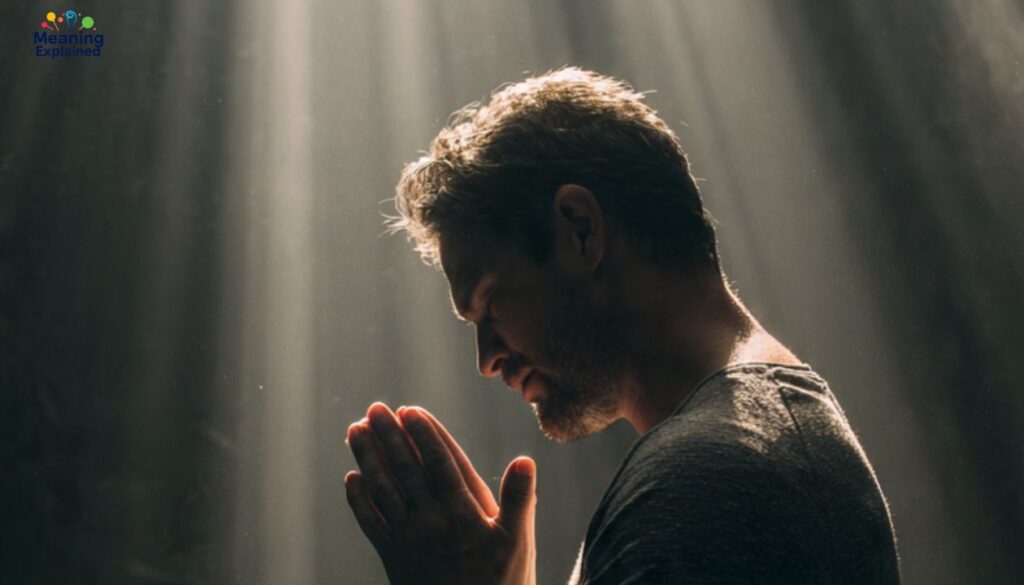
- The Third Step Prayer is more than a tool for early recovery. It creates a foundation for life. Daily surrender and spiritual connection build lasting inner strength.
- This foundation supports individuals not only through addiction but also through normal life challenges. Over time, the prayer becomes more than words—it becomes a lifestyle.
- Living with humility, faith, and service shapes long-term growth. Trust in oneself, others, and a higher power becomes permanent.
- For many in AA, this prayer ensures that the lessons of recovery last long after the early days of sobriety. It is a guide for lifelong healing.
Conclusion
It is about building a life rooted in trust, faith, and hope. The Third Step Prayer guides individuals to surrender control, find inner strength, and connect with a higher power. By practicing this prayer, people gain comfort during uncertain times and develop confidence in themselves and their journey.
Additionally, the prayer encourages service, gratitude, and resilience, showing that healing is both personal and communal. Over time, it becomes a lifelong source of guidance and spiritual strength, reminding individuals that true recovery begins when they let go, trust the process, and embrace the support around them.

