
Innovation does not always follow a straight line to success. Some ideas explode into billion-dollar brands. Others quietly change how people think, even if mass adoption never happens. Nubrella belongs to the second category.
The hands-free umbrella shocked viewers when it appeared on Shark Tank. Its futuristic bubble design divided opinions instantly. Many laughed. Some were impressed. Very few expected that more than a decade later, the brand would still hold financial value.
Nubrella Shark Tank Net Worth in 2026
As of 2026, Nubrella’s estimated net worth ranges between $1 million and $2 million.
This figure surprises many people. The product is no longer manufactured. There are no warehouses. There are no active sales channels. Yet the brand still holds value.
The reason is simple.
Patents and intellectual property.
Nubrella owns protected designs, trademarks, and engineering concepts. These assets maintain value even when products are not being sold. Licensing potential keeps the brand financially relevant.
Most Shark Tank businesses disappear once production stops. Nubrella did not. Its legal protections were preserved long after retail activity ended.
Nubrella Financial Snapshot (2026)
| Asset Category | Estimated Value |
| Brand & Trademarks | $300K – $500K |
| Patents & IP | $600K – $1M |
| Licensing Potential | $200K – $400K |
| Total Net Worth | $1M – $2M |
This is the shocking twist nobody expected.
What Is Nubrella?
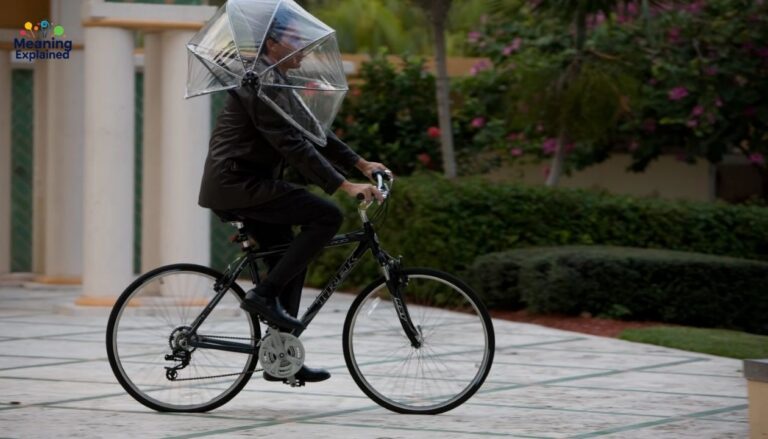
Nubrella is a hands-free wearable umbrella.
It is designed to sit on the shoulders and surround the head with a transparent dome.
Unlike traditional umbrellas, it does not require hands. It does not flip inside out. It allows users to walk, carry items, or cycle freely.
The product looks unconventional.
But its purpose is practical.
Nubrella was designed to solve common problems:
- Broken umbrellas in strong wind
- One-handed inconvenience
- Poor visibility in rain
- Limited coverage for bags and clothing
It challenged a design that had barely changed in over 3,000 years.
The Idea Behind Nubrella
The idea for Nubrella came from daily observation, not technology labs.
Alan Kaufman owned multiple retail stores in New York City. Every rainy day, soaked customers walked in carrying broken umbrellas. Phones were wet. Shopping bags were ruined. Frustration was constant.
Kaufman noticed a pattern.
Umbrellas caused as many problems as they solved.
He asked a simple question.
“Why hasn’t anyone redesigned this?”
That question became Nubrella.
The goal was clear:
- Keep people dry
- Free their hands
- Improve visibility
- Handle strong wind
It was not about fashion.
It was about function.
How Nubrella Works?
Nubrella uses a shoulder-mounted harness system. The transparent dome rests evenly on the shoulders and upper back.
When rain starts, the dome locks forward.
When rain stops, it folds back like a hood.
Key Functional Features
- Hands-free operation
- Wind-resistant shell
- Transparent visibility
- Full head and shoulder coverage
- Lightweight frame
The material is impact-resistant polycarbonate. The design prevents inversion during strong winds. Users can see clearly in all directions.
These features are protected by patents. That protection is the foundation of Nubrella’s lasting value.
From Shark Tank to the World Stage
Nubrella appeared on Shark Tank Season 1 in 2010.
Alan Kaufman asked for $200,000 in exchange for equity. He introduced it as the world’s first hands-free umbrella.
The Sharks were intrigued.
Daymond John and Kevin Harrington offered a deal together. They wanted 51% ownership. Kaufman accepted on air.
However, the deal collapsed after filming. Pricing issues and distribution challenges ended the partnership.
Despite this, Shark Tank exposure changed everything.
- Thousands of units sold quickly
- International interest followed
- Media coverage exploded
The product appeared on CNN, Good Morning America, and The Ellen DeGeneres Show.
Even without a Shark deal, Nubrella reached a global audience.
Nubrella’s Evolution Over Time
After Shark Tank, Kaufman refined the product. New versions were lighter and more comfortable. The design became sleeker.
Marketing expanded beyond rain.
Sun protection became part of the pitch.
Eventually, the brand was reintroduced as Canope in 2020. This rebrand aimed to refresh interest and reach new buyers.
Evolution Timeline
- 2010: Shark Tank appearance
- 2011–2015: Product redesigns and international sales
- 2016: Legal disputes and slowing momentum
- 2020: Rebrand to Canope
- 2022: Alan Kaufman passed away
- 2026: Brand value survives through IP
Manufacturing slowed due to high costs. Consumer adoption remained niche. The company shifted focus toward licensing instead of production.
That decision preserved value.
Nubrella’s Market Impact
Nubrella never became a mass-market product.
But its impact goes beyond sales.
It influenced:
- Wearable outdoor gear
- Hands-free design thinking
- Personal weather protection concepts
Designers in sportswear and portable shelters borrowed ideas from Nubrella. It proved that even ancient tools can be reimagined.
The brand became a symbol of inventor-led innovation. It showed that one person could challenge thousands of years of design tradition.
Sometimes influence matters more than revenue.
Personal Life of Alan Kaufman
Alan Kaufman was a private individual.
He did not seek fame.
Before Nubrella, he managed wireless retail stores. He was an entrepreneur, not a celebrity founder. His focus remained on problem-solving.
He invested heavily in his idea. Reports estimate he spent over $900,000 of personal funds on development, patents, and production.
In November 2022, Alan Kaufman passed away unexpectedly. With no succession plan in place, business operations ended.
However, the intellectual property remained legally protected.
Alan Kaufman Profile
| Detail | Information |
| Full Name | Alan Kaufman |
| Profession | Entrepreneur & Inventor |
| Known For | Nubrella |
| Personal Investment | ~$900,000 |
| Year of Death | 2022 |
Early Life and Nubrella Highlights
Kaufman’s retail background shaped his thinking. Daily customer interaction trained him to spot inefficiencies.
He was not chasing trends.
He was solving a problem he saw every day.
Early highlights include:
- Sales in over 80 countries
- Over 13,000 units sold
- Major national media features
- Global design recognition
The product sparked conversation wherever it appeared. Some mocked it. Others loved it. Very few ignored it.
That alone proved its impact.
Future Plans and Goals
As of 2026, Nubrella is dormant. But it is not dead.
The patents still exist.
The brand still exists.
Future possibilities include:
- Licensing to outdoor brands
- Co-branding with umbrella companies
- Adaptation into wearable tech
- Integration with protective gear
A relaunch is possible under the right leadership. Large manufacturers could revive the concept with modern materials and marketing.
The potential remains untapped.
Nubrella Shark Tank Update
The Shark Tank deal never closed.
Kevin Harrington and Daymond John exited post-show.
Kaufman later pursued legal action related to lost opportunities. One lawsuit settled for a modest amount. Another was dismissed.
Despite setbacks, the brand reached $1 million in cumulative revenue by 2021.
After Kaufman’s passing, operations stopped. The company closed. No new products have launched since.
The update is bittersweet.
Commercial success slowed.
Legacy remained.
Frequently Asked Questions
What is Nubrella Shark Tank net worth in 2026?
Nubrella’s net worth is estimated between $1 million and $2 million, driven by patents and brand assets.
Did Nubrella get a Shark Tank deal?
A deal was made on air, but it collapsed after filming.
Is Nubrella still selling products?
No, sales stopped after 2022.
Who invented Nubrella?
Nubrella was invented by entrepreneur Alan Kaufman.
Why does Nubrella still have value?
Its patents and intellectual property maintain long-term licensing potential.
Conclusion
Nubrella is not a traditional Shark Tank success story. It did not scale into a global consumer brand. It did not dominate retail shelves. Yet its story is powerful.
Alan Kaufman proved that innovation can outlive production. His hands-free umbrella challenged ancient design thinking. His patents preserved value long after sales stopped.
In 2026, Nubrella stands as a reminder.
Success is not always measured in units sold.
Sometimes, it is measured in ideas that refuse to disappear.

